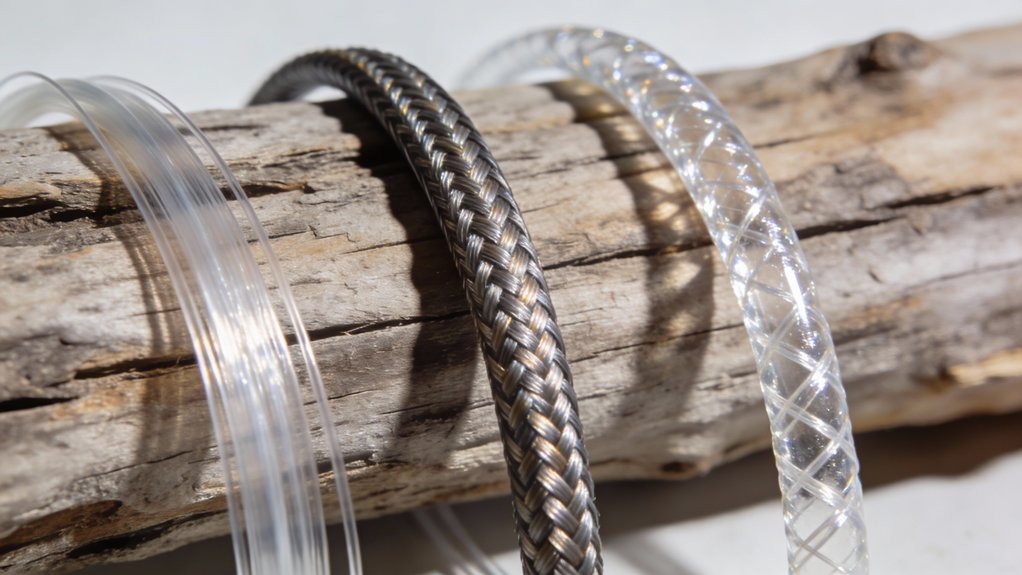
Mono, Braid, or Fluorocarbon? Which Fishing Line to Start With
Know the crucial differences between monofilament, fluorocarbon, and braided line—but which one will actually land your fish? Read More …
Fishing and Camping Enthusiasts in Los Angeles

Know the crucial differences between monofilament, fluorocarbon, and braided line—but which one will actually land your fish? Read More …
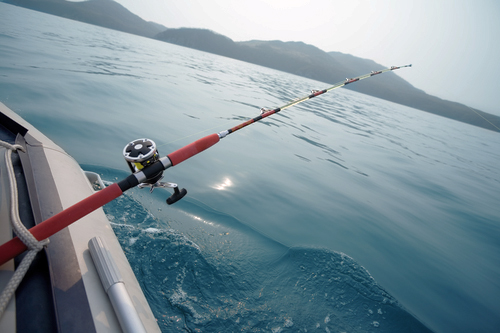
Walk into a tackle shop as a beginner and the wall of rods, reels, and line makes it look like fishing starts with a big, careful purchase. It does not. Most of that wall is built for people chasing specific fish in specific water, and almost none of it decides whether you catch your first one. Your first kit comes down to three real decisions: which rod and reel, which few terminal items, and what to skip. Get those right and the rest can wait until you know what you like to fish for. This is the decision guide, not a catalog. It walks the choices in the order you face them at the counter. First Decision: Rod and Reel The rod-and-reel choice is the one beginners overthink most, and also the easiest to get right. You are not ordering a custom blank built for one species. For a first setup, a medium spinning combo around six to seven feet covers almost everything a beginner does from a pond, a bank, or a pier. A few things drive the price, and most do not matter yet: Length. Six to seven feet casts well from shore. Longer rods help on big open water you are not fishing yet. Material. Graphite is lighter and more sensitive, fiberglass is cheaper and tougher. A beginner notices neither at first. Action and power. These describe how stiff the rod is and what size fish it suits. A medium rod sits in the helpful middle. The reel choice is simpler than the jargon suggests. A spinning reel or a closed-face spincast reel suits a beginner, because both resist the tangles an open-faced baitcaster throws at a new caster. A baitcaster is a thing to grow into, not start on. Prices run from about twenty dollars to many hundreds, and a low-cost combo lands a bluegill or small bass exactly as well as an expensive one. Learning on it tells you what you want before you spend real money. A note for the very budget-minded. Many bank anglers still start with a cane pole, a long pole with the line tied straight to the tip and no reel at all. It is cheap, simple, and catches panfish near shore without a tangle. Second Decision: The Few Terminal Items Past the rod and reel, beginners imagine they need a loaded tackle box. They do not. The handful of small items that connects your line to a fish is short, cheap, and the same across most beginner trips. Hooks. Size 6 to 8 baitholder hooks suit worms and the small fish you are most likely to catch first. Split-shot weights. A few pinch-on weights to get bait down. A dollar’s worth lasts a season. A bobber. It suspends the bait and shows the bite by disappearing underwater. Bait. A tub of nightcrawlers from a gas station near the water out-fishes most lures for a beginner. That short list builds the one rig that is hardest to get wrong, which is the same starting point covered in the start-here guide to catching your first fish. Lures, leaders, and a divided tackle box are real later, but they are not what a first fish is waiting on. The Line Already on the Reel Line is where beginners spend money they do not need to, because the reel usually comes spooled. Whatever line is already on a beginner combo is fine to learn on, and six to ten pound test handles most pond and pier fish. You match line strength to the fish: light line for small fish, heavier line only when you are after something that can break it. The strength number, measured in pounds, is the main thing to read. The differences between monofilament, fluorocarbon, and braid matter more once you fish on purpose for a species, and what each line type does well is broken down in the guide to fishing line types and their strengths. When you do respool, thread the new line through the rod guides, tie it to the spool, and reel it on under light tension until the spool is nearly full. What to Skip on a First Trip The fastest way to overspend is buying for the fishing you imagine instead of the fishing you are about to do. Most of the catalog is optional for a beginner, and a lot of it stays optional for years. A fish finder. Useful on big water from a boat, useless for a pond from the bank. A second or specialized rod. One medium combo covers nearly every beginner situation. A wall of lures. They mostly sit in a drawer while live bait does the work. Custom or premium gear. It will not land a first fish any better than a cheap combo. Buying less is not a compromise here. It keeps the first few trips about learning the water rather than managing equipment. When the Gear List Gets Longer There is one situation where the kit genuinely grows. Fishing from a boat adds safety and comfort gear that bank fishing does not need. That means a properly fitted life jacket for each person, a cooler, a landing net, and clothing that keeps you dry and warm in cold weather. A waterproof case and a backup battery for a phone are sensible too. Shore fishing skips almost all of it. A great deal of US fishing happens from a pier or a bank with a borrowed rod and a tub of worms, and that includes plenty of productive pier fishing in California. One box applies everywhere, boat or bank. Check whether the water you are fishing requires a license, since the rules vary by state and by the type of fishing you are doing. The short version: one medium combo, a few terminal items, the line that came on the reel, and a license. Catch a first fish on that, and you will know far better what gear is worth buying next.
Nobody quits fishing because the fish stopped biting. They quit because they were cold, soaked, or sunburned. What you wear is the part of a trip you control most, and it is cheap to get right. You do not need fishing-branded clothing to be comfortable on the water. Most of what works is gear you already own, chosen with a few simple rules: stay dry, manage temperature, protect your skin, and keep your footing. Here is the what-to-wear version for a day on a pier, a bank, or a frozen lake. Dress in Layers, Not One Heavy Coat Fishing is stop-and-start. You stand still while you wait, then move when a fish is on, and the weather often shifts over a morning. One thick coat cannot handle all of that. Layering lets you add and shed warmth as the day changes. Three thin layers beat one bulky one, and the system is simple: A base layer that moves sweat off your skin. A synthetic or wool shirt, not cotton. Cotton holds moisture against you and makes you cold the moment you stop moving. A middle layer that traps warmth. A fleece or light puffy. This is the layer you take off first when the sun comes out. An outer layer that blocks wind and rain. More on that below, because near water it does the heavy lifting. The common mistake is dressing for the temperature at the car instead of an hour into a still, breezy morning by the water. Bring more than you think and peel it off. Plan for Rain and Wind on the Water Open water has no shelter, and a breeze that feels mild on land cuts straight through you over a lake or off a pier. Your outer layer matters more here than anywhere else. A waterproof, breathable rain jacket is the single most useful piece you can bring. Two features separate one that works from one that leaves you clammy: Genuinely waterproof, not just water-resistant. Look for sealed seams and a real waterproof rating; a “water-repellent” jacket soaks through in steady rain. Breathable enough to vent sweat. A jacket that keeps rain out but traps your own moisture leaves you as wet as no jacket at all. Pit zips help. A hood and a brim keep rain off your face so you can still see your line, and a longer cut keeps you dry against a damp pier rail or bank. A sheltered spot also makes weather far less of a factor, which is worth weighing as you decide where to start between a pier, a bank, and a boat. Open water has no shelter, and a breeze that feels mild on land cuts straight through you over a lake or off a pier. Protect Your Skin From Sun and Glare Water reflects sunlight back up at you, so a few hours of fishing burns skin faster than the same time in a yard. This is not a hot-weather afterthought; it matters on bright winter days too. Cover up before you rely on sunscreen. A long-sleeve sun shirt, a brimmed hat, and a buff over the back of your neck do more than lotion you forget to reapply. Polarized sunglasses do double duty. They protect your eyes and cut surface glare so you can actually see fish, structure, and your bobber. Sunscreen on what stays exposed. The backs of your hands, your ears, and the underside of your chin all catch reflected light. Footwear: Keep Your Footing and Stay Dry Wet docks, mossy banks, and slick boat decks are where trips go wrong, so footwear is a safety choice, not just a comfort one. Closed-toe shoes with a grippy sole beat sandals every time. They protect your toes from hooks and dropped weights and grip a surface that is almost always damp. Match the shoe to the water: sneakers or trail shoes for a dry pier, rubber boots for a muddy bank, a wading boot or felt sole if you stand in a stream. Whatever you pick, break it in before a long day on your feet. Keep Your Hands Warm and Working Your hands do every job on the water, and they are the first thing to fail in cold or wet weather. Numb fingers cannot tie a knot or unhook a fish. Fingerless or fold-back gloves keep your hands warm while leaving your fingertips free for line, knots, and small hooks. A spare pair in a pocket means a dry set when the first gets soaked. Cold weather raises the stakes on all of this. On a frozen lake your clothing has to keep you safe as well as comfortable, so warmth becomes part of the safety plan you make before you step out, alongside knowing how to check the ice before you walk on it. The Short Version You can overthink fishing clothing, but the working rule is short. Layer so you can adjust, keep a real rain jacket within reach, cover your skin from reflected sun, wear grippy closed-toe shoes, and protect your hands. None of that needs a specialty store. Comfortable, dry, and able to see your line is the whole goal, and once that is handled you can put your attention where it belongs, which is on catching your first fish.
Walk into any tackle aisle and the screens jump out first. Fish finders, GPS units, underwater cameras like the GoFish Cam, all promising to show you exactly where the fish are. It is easy to assume that gear is the thing standing between you and a full cooler. For your first season, almost none of it is necessary. A simple rod, the right bait, and water that actually holds fish will out-catch a beginner staring at a sonar screen they cannot yet read. That does not mean electronics are useless. It means they solve problems you do not have yet. Here is what each common tool actually does, and when it starts to earn its place. A fish finder shows depth and structure, not a magic dot Most beginners picture a fish finder as a map of fish to drop a line on. It is closer to a depth-and-bottom reader. Sonar bounces sound off the bottom and shows you depth, the shape of the structure down there, and sometimes arcs that may be fish. The catch is that reading those returns is its own skill. A new angler often cannot tell a baitfish school from a weed bed from a thermocline. A fish finder rewards people who already know how to fish a spot, not people learning where fish live. If you are still figuring out where to start, learning to read the water by eye matters far more than any screen. That is the same instinct that drives the choice between a pier, a bank, or a boat, and you build it without electronics. GPS and mapping matter on big water, not your local pond Chartplotters and GPS units help you mark productive spots and navigate large, featureless water safely. On a sprawling reservoir or open coastal water, that is real value. On a local pond, a pier, or a stretch of riverbank you can see end to end, it is solving nothing. Save mapping electronics for the day you fish water too big to learn by walking it. Underwater cameras like the GoFish Cam are a learning tool, not a finder This is where a camera fits, and why it is worth understanding even early. An underwater camera does not find fish for you. It shows you what is happening down there after you have already put a bait in the water. The GoFish Cam is the small specialty version of that idea, built for fishing rather than action sports. What it actually does It is a compact 1080p HD camera, waterproof to roughly 150 meters, with a 170-degree wide lens. It mounts on the rod and records steady video on a tight line, so it suits casting, trolling, and bottom fishing. Its buoyancy is close to neutral, so it floats rather than sinks if your rod snaps. The built-in lithium-ion battery runs up to about four hours, recharges over mini USB, and the unit takes a microSD card up to 32GB. For low light and night fishing, a green LED ring with infrared keeps the picture usable when a phone camera would give up. A companion app for Android and Apple handles clipping and sharing. A camera is honest about what it is. It will not out-fish a GoPro on land, and it is not meant to. For watching how fish approach your bait, refusing it, or hitting it, it does a job a fish finder cannot. When it earns its place A camera becomes genuinely useful once you can already catch fish and want to understand why a rig works or fails. Seeing a fish nose up to your bait and turn away teaches more about presentation than another season of guessing. For a true first-timer, that lesson can wait. Catch a few fish first, then let a camera show you the part you could not see. What actually helps a beginner instead Skip the screens and put the money where it changes your odds: A rod and reel matched to your water. Not the most expensive one, the right one. The right line for the job. Match strength and type to your target species and structure. Bait the local fish actually eat. This beats any gadget, every time. Time on the water at the right hours. Dawn, dusk, and changing conditions outperform mid-day, screen or no screen. The fundamentals do the heavy lifting. If you are still chasing that very first catch, the honest next step is not a gadget but a plan for getting your first fish on the line. The honest takeaway Fishing electronics are tools for problems you grow into. A fish finder helps once you can read it. GPS matters once your water is too big to learn on foot. An underwater camera teaches once you are already catching. None of that is your first season. Start with simple gear and the right water, learn to find fish with your eyes, and let the electronics wait until you have a real reason to reach for them.