
You’ve probably noticed fishing line comes in different types, each with distinct advantages. Monofilament stretches and casts smoothly. Fluorocarbon stays invisible underwater.
Braided line gives you raw strength in a thin package. But here’s the thing: picking the right line isn’t just about grabbing whatever’s on the shelf.
Your choice directly affects whether you land fish or watch them snap free. Understanding pound test, visibility, and maintenance matters more than you’d think.
Understanding Pound Test for Fishing Line
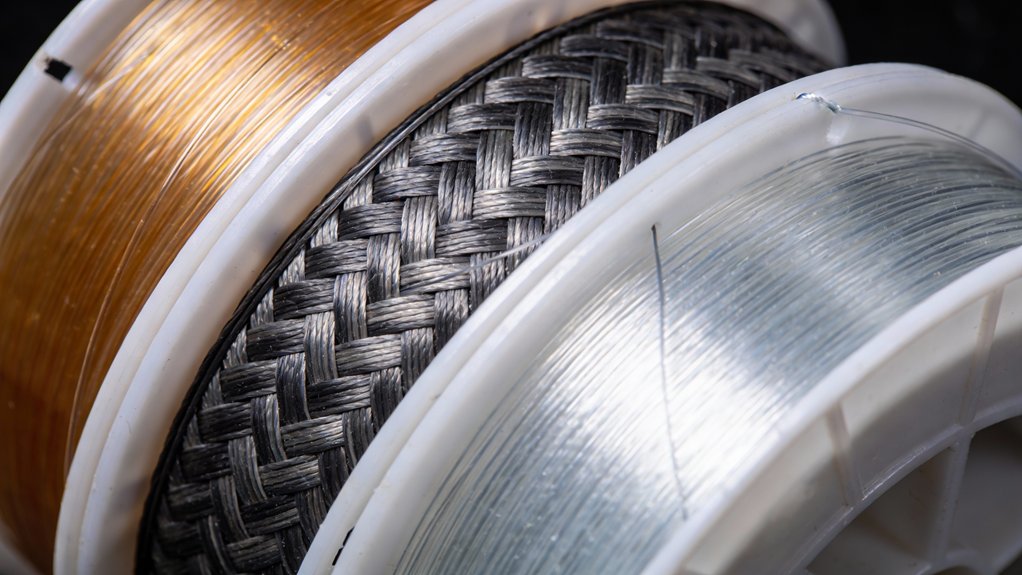
When you’re picking out fishing line, the pound test is basically your reliability meter. This rating tells you the maximum weight your line can handle before snapping.
Pound test is your fishing line’s reliability meter—it tells you the maximum weight before snapping occurs.
A 20-pound test line, for instance, measures 0.017 inches thick in monofilament. Understanding pound test importance means recognizing that selecting line strength directly affects your success.
Too light, and you’ll lose fish to break-offs. Too heavy, and you’ll sacrifice casting distance and bait action.
Match your line’s pound test to your rod and reel specifications for peak performance and compatibility.
Line Types: Monofilament, Fluorocarbon, and Braid
Now that you understand pound test, it’s time to explore the three main fishing line types, each with distinct strengths and weaknesses.
Monofilament, made from single nylon strands, offers 10-25% stretch for shock absorption and dominates due to versatility.
Fluorocarbon sinks faster with superior durability factors in clear water.
Braid, woven from fibers, delivers incredible strength at thin diameters with zero stretch for sensitivity.
Line characteristics differ dramatically: 20-pound braid measures 0.007 inches versus monofilament‘s 0.017 inches.
Choose monofilament for general fishing, fluorocarbon for finesse techniques, and braid for heavy cover situations where you need maximum control and durability.
Match Your Fishing Line to Water and Species
The right line choice depends on where you’re fishing and what you’re after. Your line selection strategies should factor in environmental considerations.
In clear water, fluorocarbon stays nearly invisible to line-shy species.
Dirty water calls for colored braid matching your surroundings. For topwater presentations, monofilament or braid float effectively.
When you’re pulling fish from heavy vegetation, braided line’s strength and abrasion resistance dominate.
Bass fishing with crankbaits? Monofilament’s stretch absorbs shock from treble hooks.
Match your line to conditions, and you’ll land more fish consistently.
Why Line Visibility Matters (and When It Doesn’t)
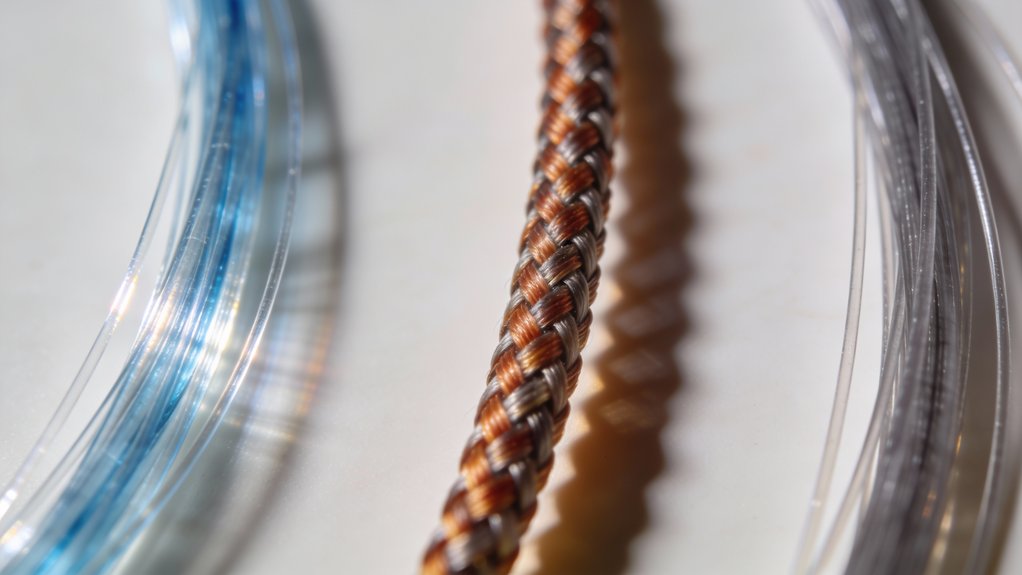
Fish can see your line in clear water, and that’s a problem you need to solve. You’ve got options that work.
Fluorocarbon practically disappears underwater, making it your best choice for transparent conditions. Monofilament ranks second, offering decent invisibility across most environments.
Here’s the thing: murky water changes everything. You don’t need low-visibility lines when visibility naturally decreases. Brighter colors won’t spook fish in dirty conditions.
For top-water fishing techniques, floating monofilament works great regardless of line visibility concerns. Thinner diameter lines always help too.
Match your line visibility strategy to actual water conditions, not assumptions.
Maintaining and Replacing Your Line
Since your line takes a beating every time you use it, you’ve got to stay on top of maintenance or you’ll lose fish when it matters most.
Monofilament needs replacing yearly due to UV damage.
Fluorocarbon and braided lines last longer but require regular checks for abrasions, discoloration, and stiffness. Your replacement schedule depends on how often you fish and your water conditions.
Watch for kinks, fraying, and fine scratches: these signal time for fresh line.
Test your knot strength periodically too. This simple line maintenance keeps your gear dependable and prevents heartbreaking break-offs during the fight.