
Walk down the line aisle and three choices stare back: monofilament, braided, and fluorocarbon. The packaging makes each sound essential, and none of it tells a beginner which one to actually buy.
So here is the short version before the detail.
For your first reel, start with monofilament. It is cheap, forgiving, easy to tie, and it catches the same fish the expensive lines do. Braid and fluorocarbon solve real problems, but they are problems you do not have yet.
The rest of this is why that is the right call, and when the other two earn a spot on your reel later.
The One Number That Matters First
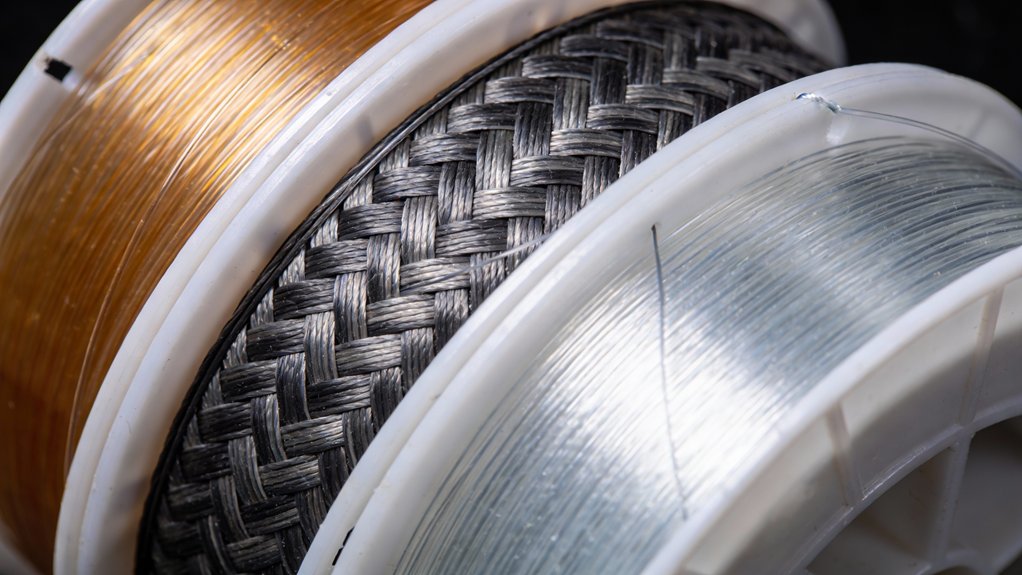
Before the line type, there is pound test, and it is simpler than it sounds.
Pound test is roughly how much pull the line takes before it snaps. A spool labeled 10-pound test holds about ten pounds of steady strain. For ponds, piers, and the panfish and small bass most beginners catch, six to ten pound test covers nearly everything.
Heavier is not better. Thick line casts shorter, shows up more to wary fish, and makes light bait sit unnaturally. The right move is to match the line to the fish you expect, not to over-build for a fish you are not catching yet.
If you fish a borrowed combo, whatever is already on the reel is fine to learn on. Worry about the spool after you have caught a few.
Monofilament: The Beginner Default
Monofilament is a single nylon strand, and it has been the standard starter line for decades for good reason.
What it does well:
- It stretches, which forgives a hard hook-set and absorbs the lunges of a fighting fish, so you tear fewer hooks loose.
- It ties easily and holds a simple clinch knot well, which matters when you are still learning the knots beginners actually need.
- It is the cheapest of the three, so respooling costs little.
- It floats, which suits a bobber rig and topwater bait.
The trade-off is that monofilament weakens in sunlight and should be replaced about once a year. That is a minor chore, not a flaw, and the low price makes it painless.
For a first setup, none of the downsides matter and every upside helps. This is the line to learn on.
Braid: Strength and Feel, Once You Want Them
Braided line is woven from fibers, and it is the opposite of mono in the ways that count.
It is thin for its strength, so a lot fits on a reel, and it barely stretches. That lack of stretch means you feel light bites and can haul a fish straight out of thick weeds without the line giving.
Those same traits make braid harder to start on. No stretch means a hard hook-set pulls free more easily, and braid needs specific knots that a beginner has not learned yet. It also costs more and stays visible in clear water.
Braid earns its place when you fish heavy cover or want to feel subtle bites, which is a later chapter, not a first trip.
Fluorocarbon: The Invisible Specialist
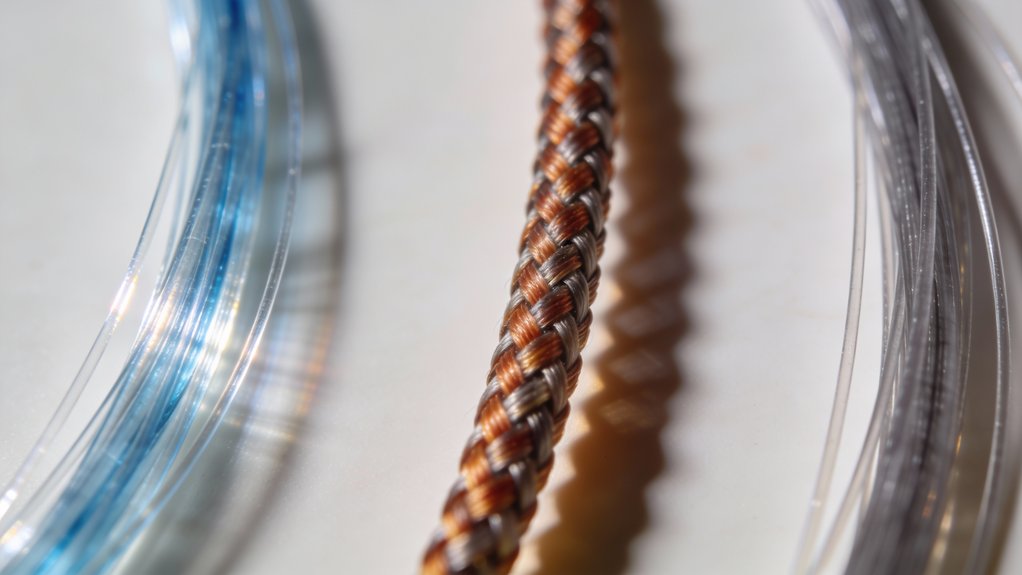
Fluorocarbon’s headline trait is that it nearly disappears underwater, so it shines in clear water with line-shy fish.
It also sinks and resists scrapes better than mono. The catch is that it is stiffer and fussier to tie, costs the most of the three, and its near-invisibility is wasted in the murky ponds and stained water where many beginners fish anyway.
Fluorocarbon is a finesse tool for clear water, not a starter line. Plenty of experienced anglers use it only as a short leader rather than filling a whole reel.
So What Goes on Your First Reel
Spool monofilament in six to ten pound test, learn one good knot, and go fishing. It will land your first fish as surely as line costing three times as much.
Add braid later if you start fishing weeds or want sharper feel. Reach for fluorocarbon later still, mostly in clear water or as a leader. Picking line is one small decision inside a larger one, and the same start-simple logic runs through catching your first fish: borrow or buy cheap, keep the setup plain, and let the fish teach you what to upgrade.