
You did everything the video said and still went home with nothing. The discouragement sends people back to the gear aisle for a costly fix.
Most blank days are not a gear problem. They are a where, when, and how problem. Fix those three, in order of impact, and the fish were usually there all along.
Start With Location, the Biggest Lever
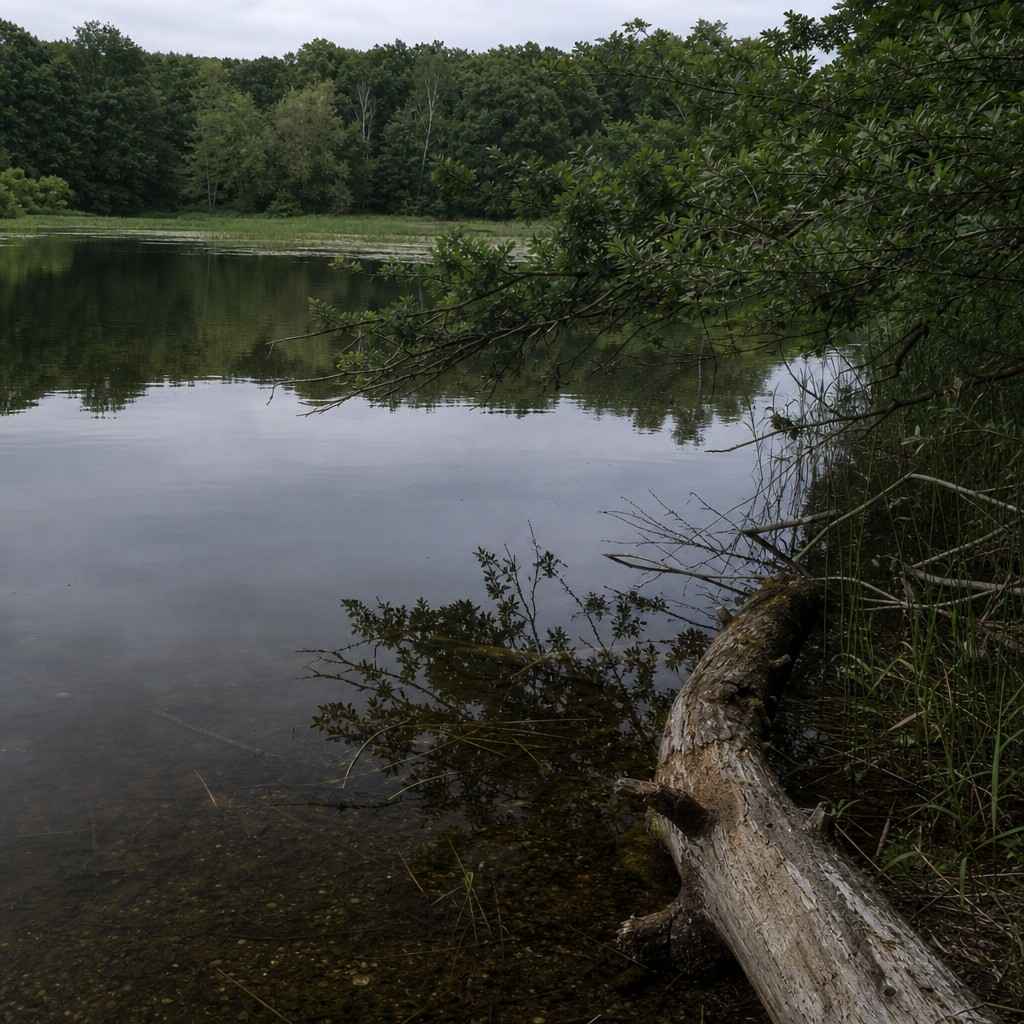
Before you change baits, ask the harder question: were there fish where you cast at all?
Most blanks come from fishing where there are no fish. A perfect rig in dead water catches nothing. A clumsy rig over a school catches plenty.
Fish are not spread evenly. Picture a bare bowl of water with one sunken log: almost every fish stacks around it and its shade. That is structure, anything that breaks up open water and gives fish food, shade, or an ambush point. Cast toward:
- Edges and drop-offs, where shallow falls into deep. Fish patrol these like a hallway.
- Cover: docks, fallen trees, and weed beds that drop shade and insects.
- Current breaks, the calm pockets behind rocks and logs where fish rest out of the flow.
- Inflows, where a feeder creek or pipe pushes in cooler, oxygen-rich water and food.
Spend your first ten minutes finding one of these and your odds change more than any lure swap. It is worth learning how to find fish by reading the water in depth.
Then Check Your Timing
Right structure at the wrong hour still produces a slow day.
Fish feed hardest at dawn, dusk, and during changing conditions. Low light and cool temperatures pull fish toward the shallows and switch on the bite; bright midday sun pushes them deep and quiet. The beginner trap is fishing the angler’s best hours, which are the fish’s worst.
- First and last light are the reliable windows. The hour after sunrise and the hour before dark out-fish a bright noon almost every time.
- An overcast day stretches that low-light advantage across the afternoon.
- A change in weather, a breeze or a front rolling in, often triggers a short feeding burst.
If your only free time is midday, fish deeper, shadier spots and slow down. The case for the early alarm is in the guide to the best times of day to fish.
Read the Weather and Water, Not Just the Sky
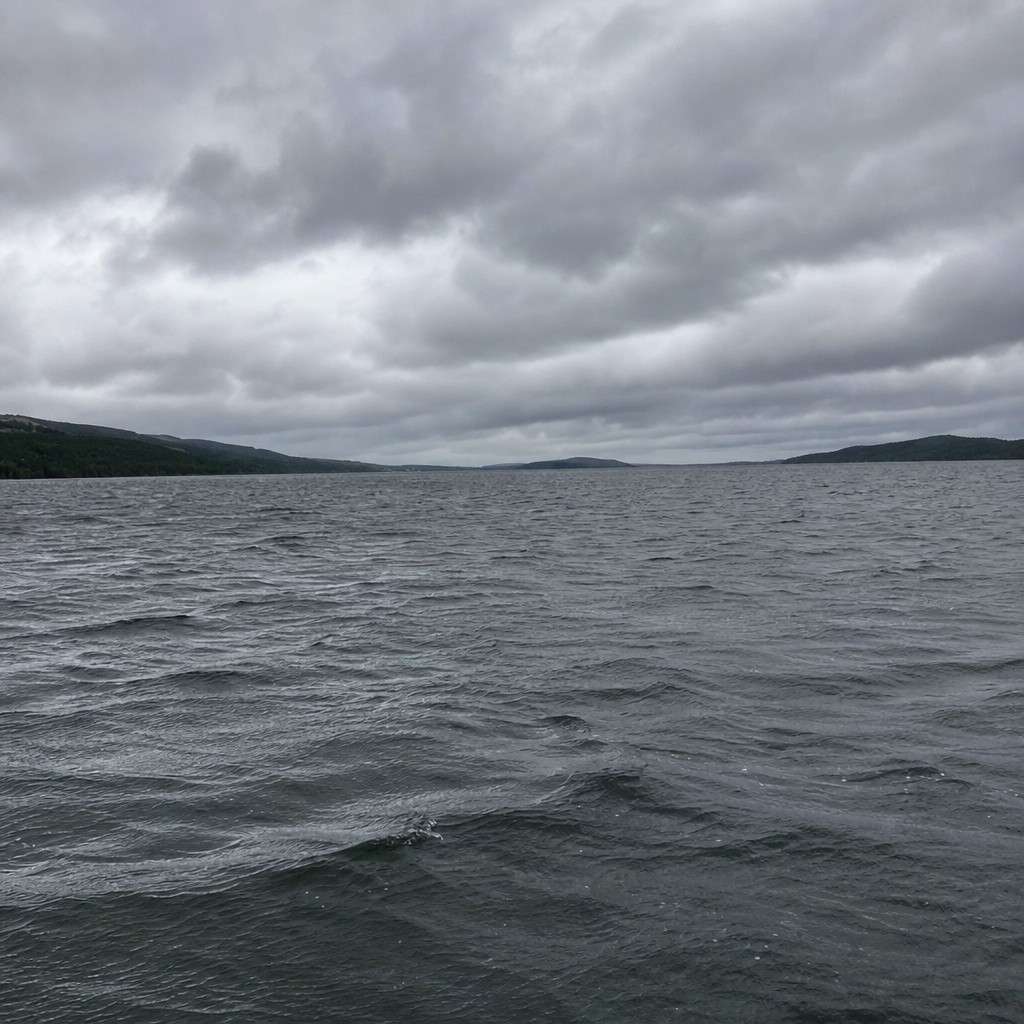
Weather changes where fish sit and how hard they feed.
Water temperature drives the whole bite. Fish are cold-blooded, so their metabolism follows the water: cold water means they eat less and slower, comfortable temperatures mean they feed actively. That explains a lot of winter blanks. The fish are not gone, just sluggish, and patient anglers still catch them by fishing slower and lower, the logic behind catfish in winter.
Heat carries the opposite catch. According to the USGS, warm water holds less dissolved oxygen than cool water. In summer the surface oxygen can drop enough to push fish deep or off the bite in the hottest hours.
Cold water holds more oxygen than warm water, so the same fish often feed more freely on a cool morning. That relationship comes straight from USGS water-science data.
A few more readable signals:
- Light and clarity. Clear water on a bright day spooks fish and holds them deep; stained or choppy water moves them shallower and less wary.
- Fronts. A stable warm spell or the hours just before a front fish well. The bluebird day right after a cold front is famously tough.
- Wind. A light wind is your friend. It breaks the surface, hides your line, and pushes food toward a windblown bank.
Last, Look at Your Presentation
Only after location, timing, and conditions check out is the rig worth second-guessing. Beginners over-correct here most.
A simple, well-tied rig you trust out-fishes a complicated one you don’t. The usual culprits are small:
- Too much movement. Let a bait sit; most fish take it when it is still or barely moving.
- Wrong depth. A bait riding above the fish gets ignored. Adjust the bobber or add weight.
- Bait too big. A whole nightcrawler dwarfs a small fish’s mouth; a smaller piece gets more bites.
- A spooky approach. Heavy footsteps and a shadow over clear shallows clear the area. Move quietly and cast past where you think fish hold.
Match the bait to what the fish already eat. Live worms, small minnows, and simple soft plastics beat a box of novelty lures. If you are rebuilding the basics, the start-here guide to catching your first fish covers the one forgiving rig to fall back on.
The Blank-Day Checklist
When nothing is biting, do not change everything at once. Work down in order; the top items matter most.
- Location. Am I casting near structure, an edge, or cover, not open water?
- Timing. Is it low light, or am I fishing the bright, quiet middle of the day?
- Conditions. Is the water very cold or hot, the day bright and still, or fresh after a front?
- Presentation. Is my bait at the right depth, still enough, and small enough to fit the fish?
Most slow days fail one of these four, usually the first. Reading water and timing the trip will out-catch any gear upgrade, and both are free.
A blank day is not bad luck. It is feedback. Run the checklist, change one thing, and the next trip shows which lever you missed.