Why Fish Aren’t Biting: Reading Water, Weather, and Timing
A blank day usually traces back to a few fixable things: where you cast, when you go, and how you present the bait. Here is the checklist to run before you blame your luck. Read More …
Fishing and Camping Enthusiasts in Los Angeles

A blank day usually traces back to a few fixable things: where you cast, when you go, and how you present the bait. Here is the checklist to run before you blame your luck. Read More …
There is no single US fishing license. Each state runs its own. Here is what that means, who is usually exempt, how saltwater differs, and the thirty-second way to get it right. Read More …
You don’t need to own anything to catch your first fish. Here is what to borrow, where to go, and the one simple rig that makes a first catch likely. Read More …
Know why fish bite hardest at dawn and dusk? Discover the surprising catch that changes everything. Read More …
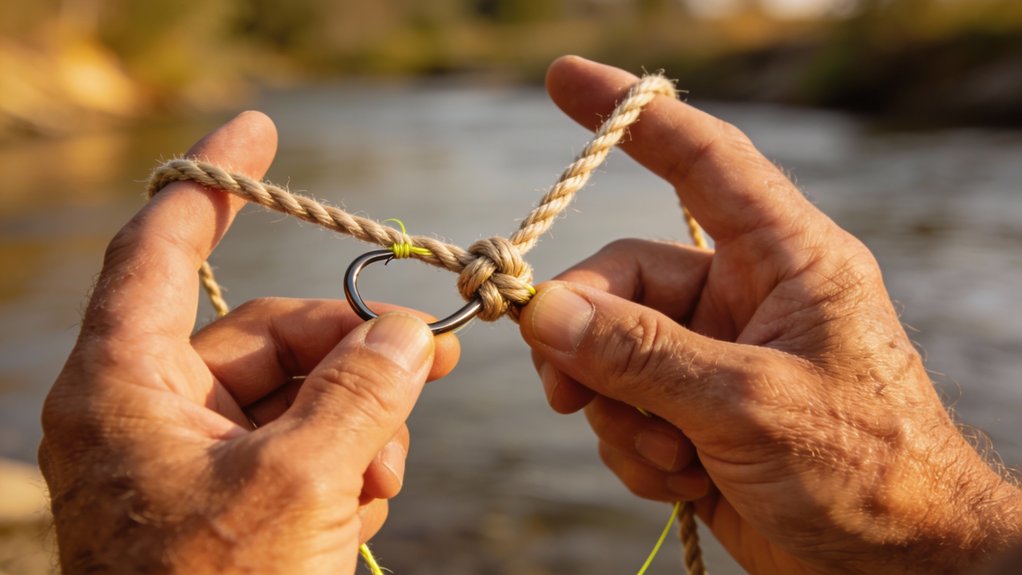
Just one weak knot could cost you the catch of a lifetime—discover which knots separate skilled anglers from amateurs. Read More …
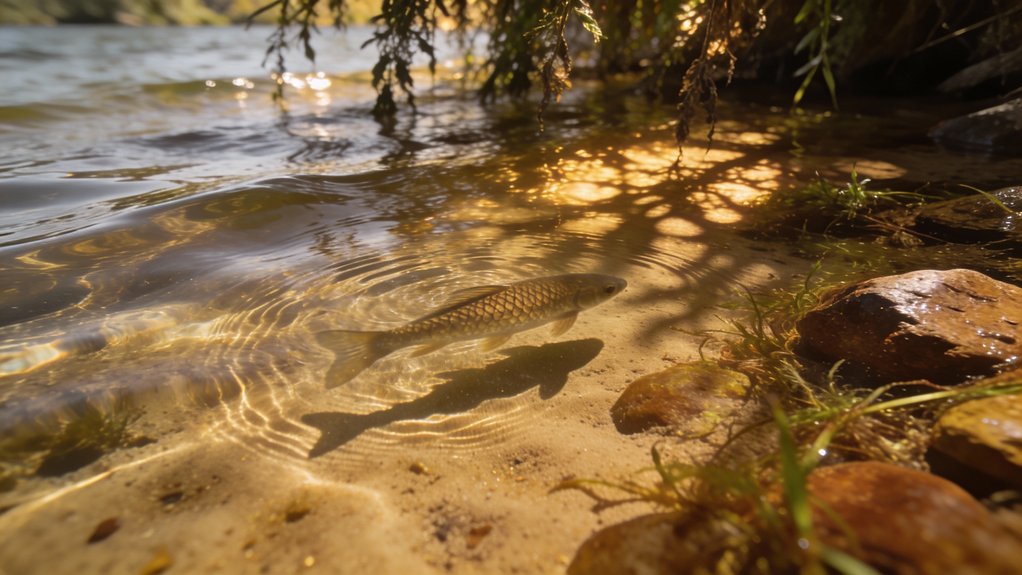
Navigate seasonal water changes to find hidden fish—but most anglers miss the critical factor that determines success. Read More …
Have you been learning how to fish lately? Want to become as good as your more experienced fishing buddies? Here are some tips to keep in mind for beginners. 1. Be always prepared Before you leave home, make sure that you have all the essential things you need for your fishing adventures such as a first-aid kit, a sunblock, tackle and bait, and your rain gear. Don’t forget to pack food for your trip! 2. Observe how experts do it The best and fastest way to learn anything is to watch how the more experienced ones do it. Check out and study the fishing activities of the local fishing folks: what they do, the gear they’re using, how they catch fish, and where they usually do it. 3. Be patient Learning how to fish is not a walk in the park, and mastering it does not happen overnight. Patience is also a virtue when you are actually fishing. In general, catching a fish takes hours. When you’re getting impatient, avoid moving around too much or fiddling with your fishing line because such movements can scare off fish, and it’ll be harder for you to catch one. Sometimes, you go home without any catch at all. But that’s okay. It’s the journey that counts more than the destination, so to speak. 4. Pay attention to the environment As you’re waiting for your first catch, look for some subtle clues that can help you move closer to the location where there’s fish. Usually, these include water splashes and birds diving into the water and feeding on fish. 5. Have fun! Enjoy your time—relax in a lightweight fishing chair while waiting for your first bite. And remember, don’t take home more fish than you and your family can eat.