Pier Fishing in California: A Beginner Guide

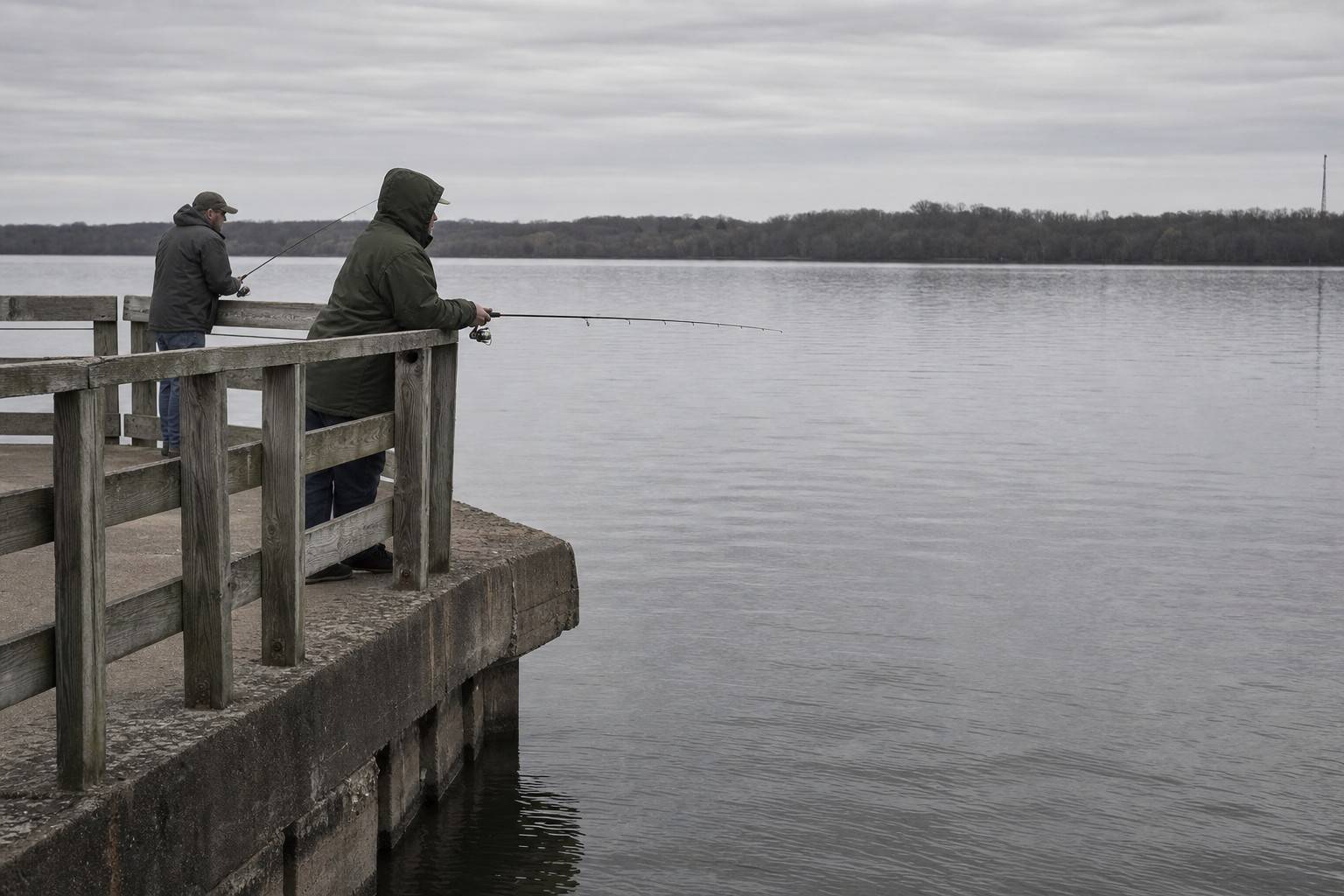
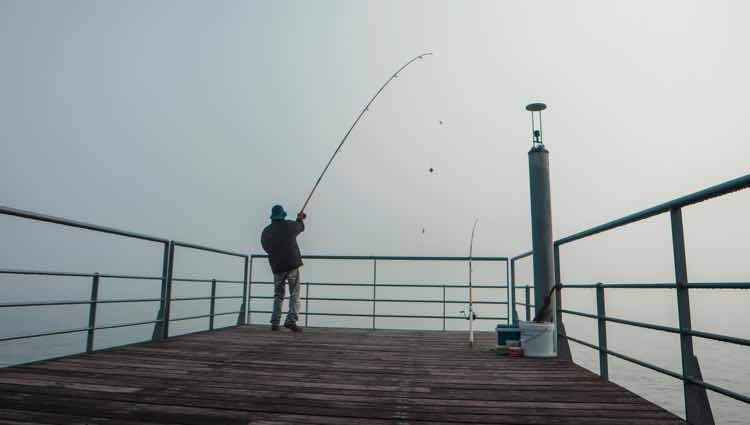
You can fish the ocean in California without owning a boat. A public pier puts you over saltwater, within reach of the same migrating fish that boats chase, with none of the cost or upkeep. It is where a lot of California anglers start, and where many stay. The catch changes through the year as fish move with the seasons, so the same pier fishes differently in spring than it does in fall. Weather sets the limits more than gear does. Rain, fog, and wind can turn a friendly pier rough, so it is worth checking conditions before you go. Because the species are so varied, anglers use several methods depending on what they are after: fly-fishing surf fishing bait-casting pier fishing and several other methods A boat opens up thousands of miles of California coastline, but it also brings docking, trailering, maintenance, and running costs. Not every saltwater angler owns a boat, and a pier removes every one of those obstacles. There are plenty of productive spots for pier fishing in California for people without one. How to fish the ocean without a boat A pier is the simplest path to saltwater fishing. Fishing magazines tend to show boats, which can leave the impression that a boat is the only proper way to fish the sea. It is not. There is a large and growing community of shore-bound anglers who fish piers, jetties, and beaches without ever leaving land. Pier anglers turn up almost everywhere along the coast, some with polished tackle and some with gear taped back together. The tackle box matters less than getting a line in the water. As long as it can be wheeled or carried out to the pier, it works. Pier fishing rewards a little skill You can drop a chair at a pier and start fishing, but knowing when and where to cast is what fills the bucket. Most pier fish move in waves, so timing matters as much as location. Learning to read the water is what separates a slow day from a steady one. Much of the action is bottom fishing, where anglers often haul in two or three fish at a time. Bigger catches like mackerel and king mackerel are within reach from a pier too. At the far end you will see anglers using floats and rigs built to suspend live bait just under the surface, and the occasional kite rig that carries bait well off the structure. Fishing with two rods The two-rod approach is common on piers, but it is not for crowded days. One heavy rod sits with the bail open while a lighter rod holds the bait. The bait rod casts the line many yards off the pier. When a fish bites, the angler pulls the lighter rod back and fights the fish on the heavier one. Two rods simply put more bait in the water and raise the odds of a hookup. The trade-off is space and tangles. Two rods take up more room and lines cross more easily, so on a busy pier it is better to stick to one rod and keep the peace. You can find more pier fishing tips from saltstrong.com. Fishing for dinner Most pier anglers keep their catch for the table. Do not expect to see fish released here. People come to put dinner on the plate and to socialize while they wait. As a group, pier regulars tend to bring more patience, inventiveness, and endurance than most. Fishing with children A pier is one of the easiest places to take a child fishing. There is solid ground underfoot, room to move, and no boat to manage, so you can keep your attention on your kid instead of the vessel. Safety comes first whatever you decide. Keep a life jacket and the rest of your safety equipment on hand at all times, and stay close enough to step in if a hook or a rail becomes a problem. The best piers for fishing in California Most coastal cities in California have a public or pay-to-fish pier. Many let you rent tackle and buy bait on site, and the regulars are usually happy to help if you run into trouble. There are over fifty public fishing piers in the state, with details on each at pierfishing.com. One detail worth knowing: you do not need a fishing license to fish from a public pier in California. That makes a pier the cheapest legal way to try saltwater fishing in the state. Long Beach is a good example. When the downtown marina was built, small piers went in along the southwest side of the peninsula just for fishing. Belmont Pier nearby is older and stays busy. At Pacifica Pier the regular catch includes mackerel, salmon, rockfish, jacksmelt, crab, halibut, surfperch, sharks, and striped bass. Tips for fishing on a pier Every pier fishes differently, so the locals are your best source. Ask around. You will find experienced anglers in the bait shop, on the pier at first light, and happy to share what is biting. Fish the edges of the day. Early morning and evening are the most reliable windows for a bite. Look under the pier. Fish often hold tight to the structure, closer than the long casts out front. Plan for the big one. Lifting a large fish straight up onto a pier is hard on the line. For that last point, a landing net on a rope lets you scoop a heavy fish at the water rather than risk losing it on the way up. You can browse pier landing nets on Amazon if you do not already have one. EscapeSportFishing earns a commission on qualifying purchases made through some links on this page, at no extra cost to you. See the affiliate disclosure for details. Bottom line A little pre-trip planning pays off, but pier fishing can be as simple as you want it. Pick a pier, bring basic tackle and your safety gear, and go when the fish are feeding. Pier fishing is about as relaxed and low-cost as saltwater fishing gets, which is exactly why it is a good place to start.

Tips for Ice Fishing

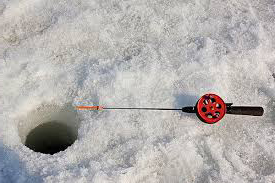
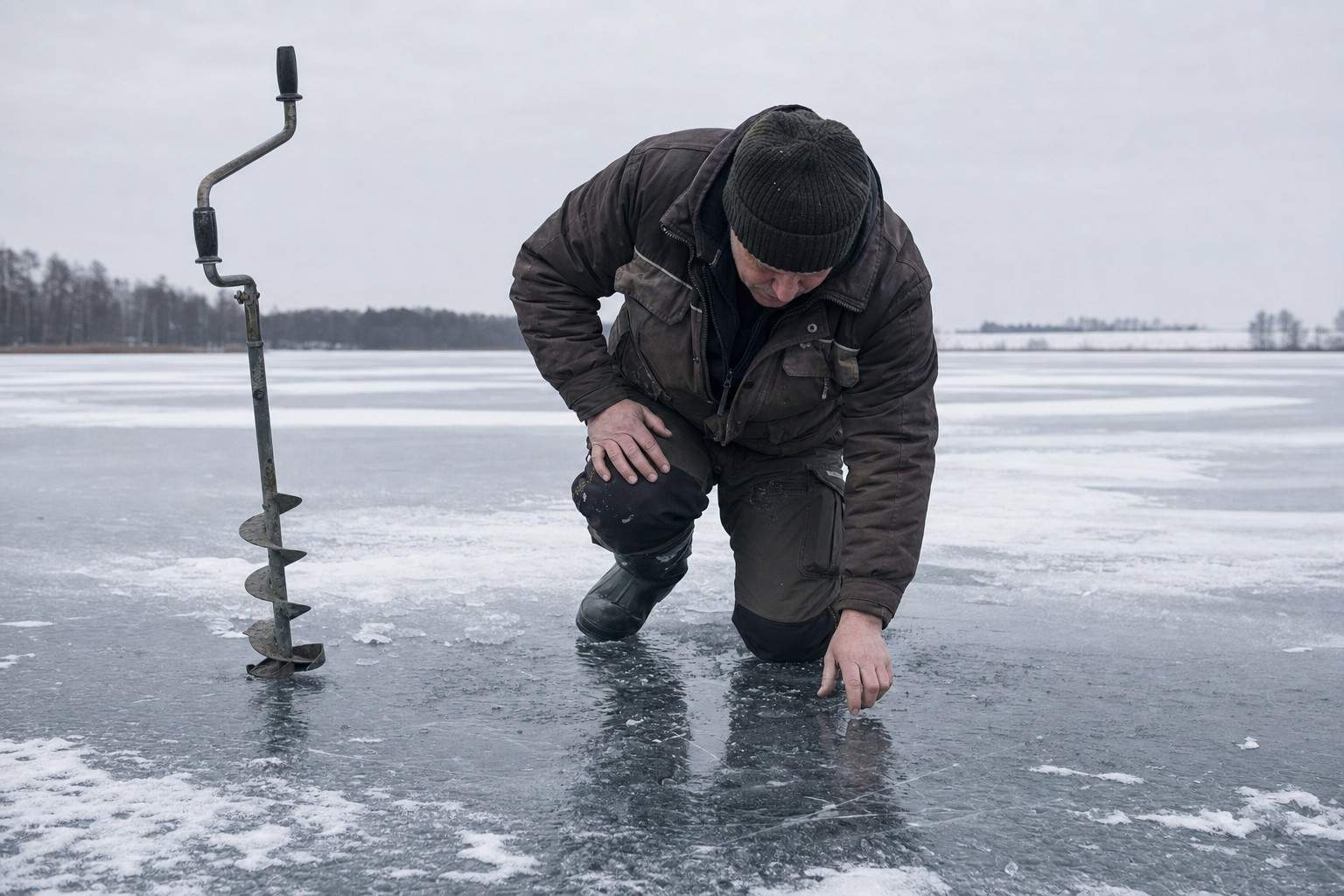
Ice fishing is the one kind of fishing you can only do once a lake locks up for winter, and plenty of anglers wait all year for it. It is also the one where a careless first step can put you through the ice, so the safety basics matter more than any jig you tie on. Most ice-fishing accidents come down to ice that was thinner or weaker than it looked. Get that part right and the rest is just patient fishing in the cold. In the Nordic countries the winters run long and cold, so ice fishing is a fixture of the season. Spend enough time over a hole and it becomes a quiet, almost meditative habit. Ice-fishing is a state of mind Check the ice before you trust it. A thin top layer is not enough to stand on, and the ice needs to be solid and clear, at least four inches thick, to be safe on foot. Drill a small test hole near shore first and measure before you walk out. A common guideline for clear, solid ice runs like this: 1 inch: stay off it entirely. 4 inches: safe to fish on foot. 5 inches: supports a snowmobile. 8 inches: supports a car or light truck. 10 inches: supports a medium truck. When the ice is uncertain, wear a life jacket and keep a set of ice safety picks on a cord around your neck, so you can pull yourself out if you go through. EscapeSportFishing earns a commission on qualifying purchases made through some links on this page, at no extra cost to you. See the affiliate disclosure for details. Ice strength is not the same across a whole lake. It can change from one spot to the next, so a reading near shore does not guarantee the middle. Thick ice loses strength after rain, and slushy ice or ice with a current moving under it is especially dangerous. A fresh layer is generally safer than an old, worked-over one. A few local rules are worth knowing too. Some states limit how large an ice hole can be, and any fishing shanty should carry reflectors on its sides so snowmobiles can spot it in low light. If this is your first season on hard water, the same careful, start-small mindset in this beginner’s guide to catching your first fish carries straight over. Once the ice checks out, the fishing starts with depth. Many fish hold 50 to 60 feet down in winter, so a flasher or simple sonar unit earns its keep by showing where they are sitting. On some days, food and fishing pressure pull them up to within a few feet of the underside of the ice instead, so it pays to check shallow as well. For lures, a classic airplane jig tends to outwork the alternatives. It shines on clear-water species like lake trout, and walleye and pike take it readily too. Pair it with a thin, strong superline, which stays nearly invisible to fish under the ice. How you work the jig matters as much as the jig. A small quivering motion gives the bait just enough action to trigger a strike. Soft plastics produce in cold water as well, and many anglers reach for a mushroom or gumball-head jig to carry them. Look for green weeds through the hole. In summer they are a line-tangling nuisance, but in winter living weeds signal fish nearby. On a large weedbed, work the edges and pockets, where fish tend to stack up. Ice fishing rewards patience, but it only stays fun when you respect the ice first. Check it, carry your safety gear, and the cold season turns into a season to look forward to rather than a risky one.

Winter Catfish Fishing: How to Catch Them in Cold Water

Catfish keep feeding through winter. Their metabolism slows in cold water, so they eat less and move less, but they do not shut off. Fish slower and lower instead of harder, and the cold season turns into some of the quietest, least-crowded fishing of the year. Why catfish still bite in cold water Catfish are scavengers that feed year-round. They are not picky, and their diet barely changes with the seasons. What changes is their pace. Blue and channel catfish stay the most active feeders in winter. Flatheads slow down the most. The colder the water, the less all three move. One thing works in your favor: shad die off quickly in cold water, and catfish key in on the easy meal. Find where the dead bait collects and you have found feeding fish. The other advantage is the empty bank. Few anglers fish in the cold, so the productive spots are open and the better fish are less pressured. Bait that works in the cold Shad is the top winter catfish bait. Minnows and artificial shiners work too, and any neighborhood bait shop will have them. Keep the rig simple: Hook live bait through both eyes so the tail still moves in the water. Use a bell or slip sinker to hold the bait on the bottom where catfish feed. Keep bait around 2 to 3 inches long. Freshwater mussels are an overlooked cold-water bait. Catfish gather around mussel beds in winter because the beds keep them fed. Mussel beds sit in fairly shallow water, roughly 3 to 6 feet deep, and they stay in the same place year after year. Find a bed by probing the mud or a rocky bank with a long pole, and you have likely found blues and channels nearby. How to fish for flatheads in winter Flatheads are harder to catch in the cold, but they are not impossible. They skip the deep holes other catfish use and hold tight to heavy bottom cover instead. Depth matters less than structure. Logs, large rocks, and submerged brush piles are where they sit. Fish vertically for cold-water flatheads. Rig a shad or shiner and drop it straight down over a rocky bottom to avoid hanging up on logs or brush. Move the bait only about a foot up or down. That small up-and-down action is often what draws a flathead in. Winter fishing works like the rest of the year otherwise. You can fish from a bank, dock, or boat. The job is picking a spot you already know holds catfish, which is mostly a matter of reading the water rather than spending on gear. Drift fishing suits open water: motor to a likely area and let the boat drift while you fish. A patient bank angler in the right spot does just as well. Patience does the work in winter Cold water makes catfish slow feeders, so slow down with them. Once your line is in, leave it for 20 to 30 minutes before checking. A catfish that finds your bait tends to stay with it and eventually commit, but it rarely happens fast. It is not the gear that catches catfish in winter, it is patience. Getting no immediate hits does not mean the fish are gone. A slow start usually is not a sign that they aren’t biting. Winter just stretches out the feeding window. Be ready for hangups Cold-water catfish hold in cluttered cover, so hangups come with the territory. That is exactly where the fish are, so the snags are part of fishing the right water. Do not let a hung line on a log or brush pile rattle you. You can often work free by lifting and lowering the line slowly to feel out the structure around your bait. Stay warm and stay out longer The angler who lasts catches more in winter. Dress in warm layers, bring a thermos of something hot, and settle in. For more cold-season tactics, see these tips on fishing during the winter season. Sources: Outdoor Guide, Jim Spencer. outdoorguide.com

Fly Fishing for Beginners: A First Look at the Method

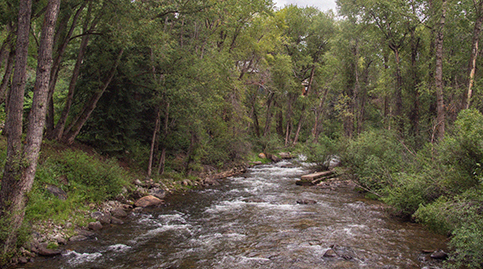
Fly fishing looks harder than it is, and that scares a lot of beginners off before the first cast. The gear seems strange, the casting looks like a ritual, and most guides are written for people who already know the lingo. None of that has to be true for a first day on the water. Here is the plain version of what makes fly fishing different, why a beginner might want to try it, and how it plays out on one real river so the idea stops being abstract. What makes fly fishing different In spin fishing, the weight of the lure pulls the line out when you cast. In fly fishing, the fly weighs almost nothing, so the weight of the line carries the fly instead. That single fact explains the long rod, the thick tapered line, and the rhythmic back-and-forth cast that people associate with the sport. The point of all that is to land a tiny imitation of an insect gently on the water, the way a real bug would. Trout in clear, cold rivers feed heavily on insects, so a well-presented fly can fool a fish that would ignore a clunky lure. It is a method, not a personality test. You do not need a vest full of gadgets to catch your first fish on a fly. Why a beginner might try it Three reasons come up again and again for people new to the sport. The water is the draw. Fly fishing usually means cold, clear rivers and streams in beautiful places, which is a big part of the appeal. It rewards reading water, not spending money. Once you can spot where fish hold, a modest setup catches plenty. It is forgiving to learn. A short, accurate cast catches fish; the picture-perfect distance cast is optional. If catching a first fish at all is the goal, simpler bank and pier methods are an easier on-ramp, and the step-by-step beginner guide covers those. Fly fishing is the method to grow into when moving water and trout are what pull at you. You do not need to own much to start A borrowed or rented setup is enough to learn the cast before spending real money. Many lodges and guide services on trout rivers provide rods, reels, waders, and flies, so a first trip can happen with nothing in your own closet. When the time comes to buy, a starter outfit that pairs a matched rod, reel, and line is the simplest path. You can compare beginner fly fishing combos on Amazon rather than piecing parts together blind. EscapeSportFishing earns a commission on qualifying purchases made through some links on this page, at no extra cost to you. See our affiliate disclosure for details. A short, accurate cast catches fish. The long, picture-perfect cast is something to grow into, not a price of entry. The Roaring Fork as a worked example To make this concrete, consider Colorado’s Roaring Fork River near Carbondale, a classic Western trout river that shows what beginner-friendly fly water actually looks like. The valley runs cold and clear past Mount Sopris, and the river holds brown and rainbow trout that feed on dry flies through much of the season. It sits between two and a half and three hours from Denver, downstream of Hwy 133 at the Carbondale Bridge. What makes a stretch like this good for learning is variety in one place. You can wade the shallows where fish are visible, or float a drift boat to cover more water with a guide handling the oars. Both styles are common here, and a beginner gets to try the gentler one first. The same valley puts other well-known trout water within a short drive, including the Frying Pan and the Colorado River west of Glenwood Springs. That density of fishable water is exactly why the region is a frequent first stop for people learning the method. Read the water before anything else The single biggest thing that separates a blank day from a good one is not the fly, it is knowing where fish actually hold. On a river, trout sit where current brings food without making them fight the flow, behind rocks, along seams, and at the edges of riffles. That skill carries across every method, which is why it is worth learning early. The basics of how to read moving water apply whether you are on the Roaring Fork or a small creek near home. Match the method to the water and the season, check the local license rules, and start with a short cast. That is the whole beginner playbook, and a river like the Roaring Fork is a good place to put it into practice. In this video you can see why the Roaring Fork River is such a well-known place to fish: