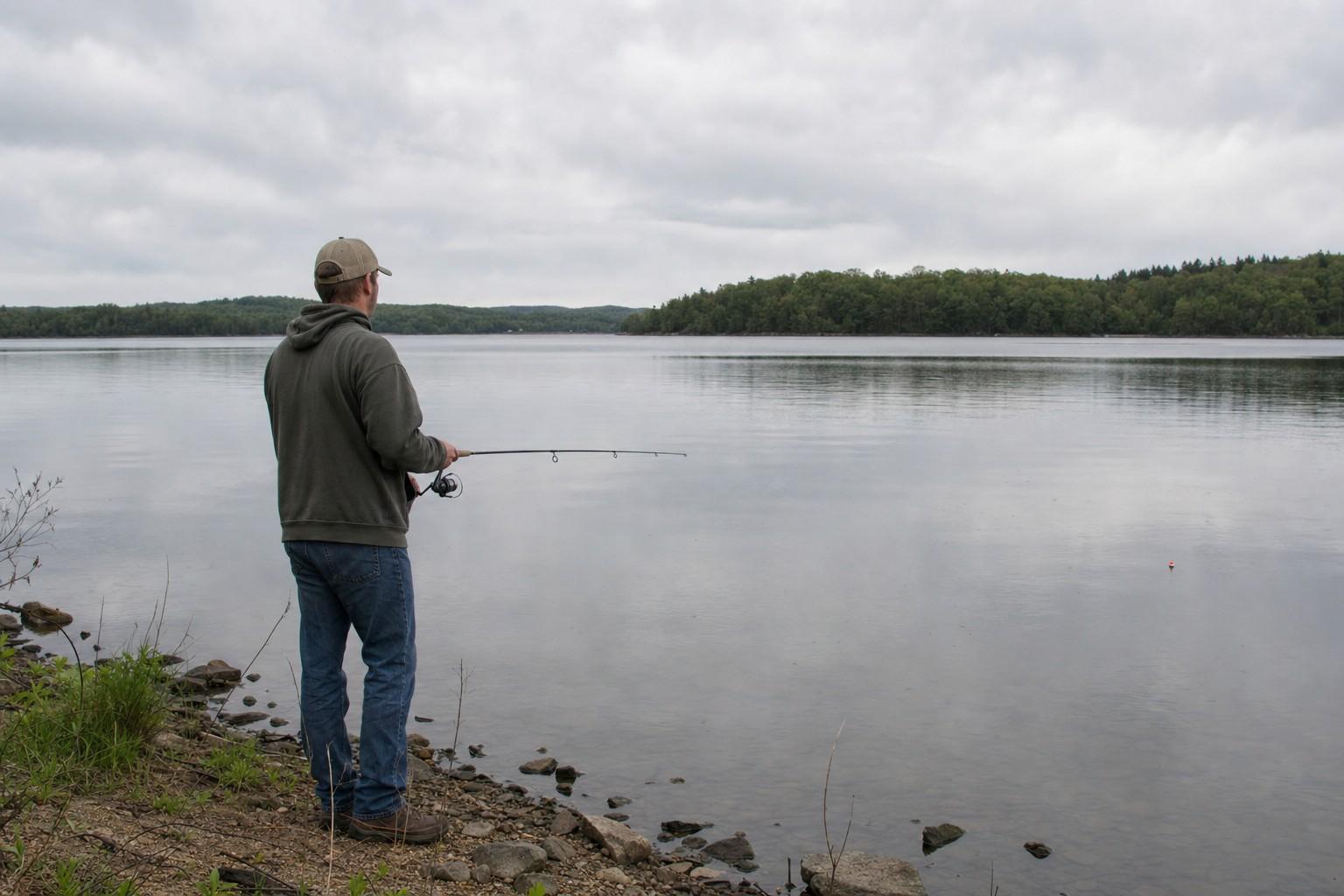
Why Fish Aren’t Biting: Reading Water, Weather, and Timing
A blank day usually traces back to a few fixable things: where you cast, when you go, and how you present the bait. Here is the checklist to run before you blame your luck. Read More …
Fishing and Camping Enthusiasts in Los Angeles

A blank day usually traces back to a few fixable things: where you cast, when you go, and how you present the bait. Here is the checklist to run before you blame your luck. Read More …
There is no single US fishing license. Each state runs its own. Here is what that means, who is usually exempt, how saltwater differs, and the thirty-second way to get it right. Read More …
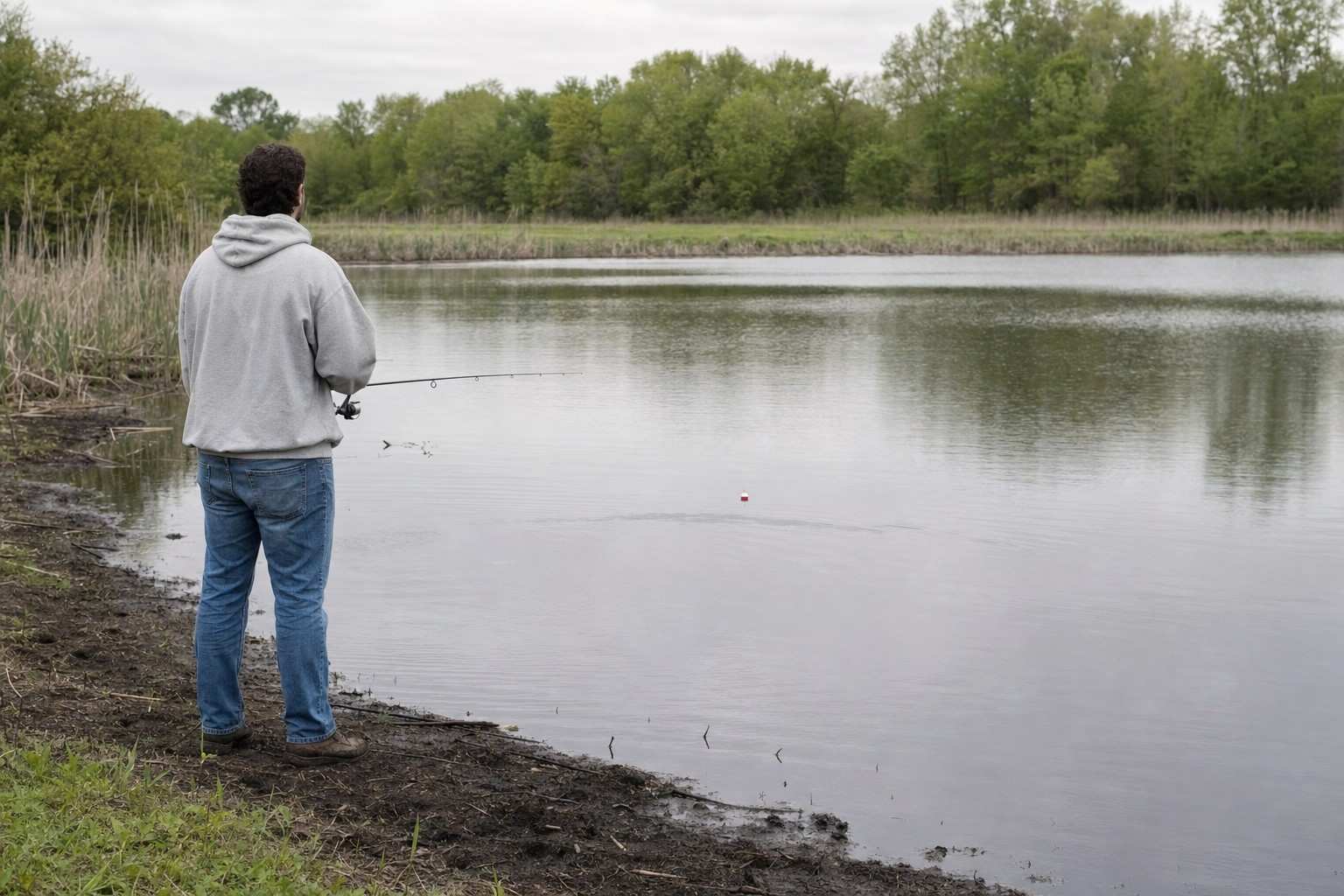
You don’t need to own anything to catch your first fish. Here is what to borrow, where to go, and the one simple rig that makes a first catch likely. Read More …
Know why fish bite hardest at dawn and dusk? Discover the surprising catch that changes everything. Read More …
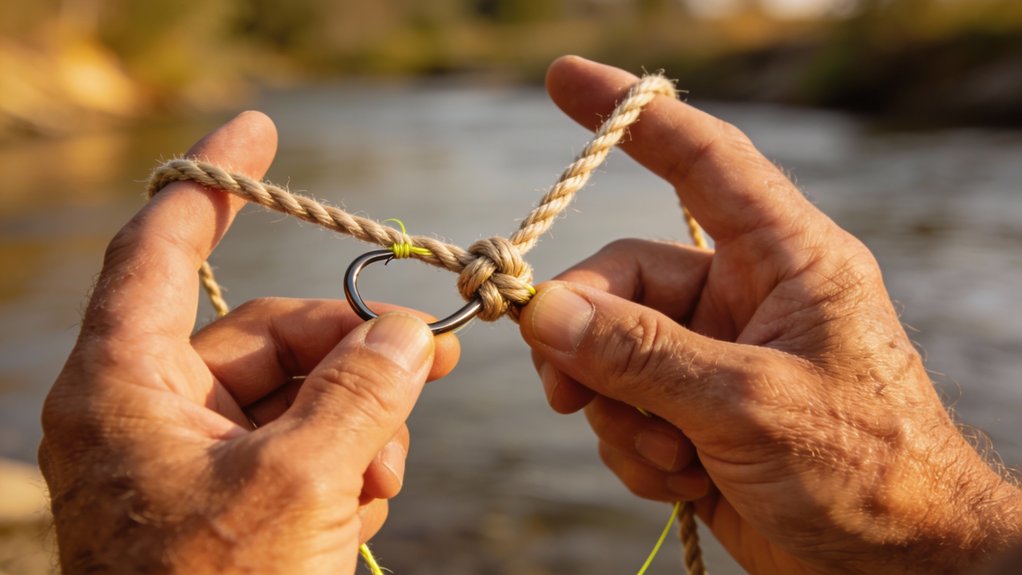
Just one weak knot could cost you the catch of a lifetime—discover which knots separate skilled anglers from amateurs. Read More …
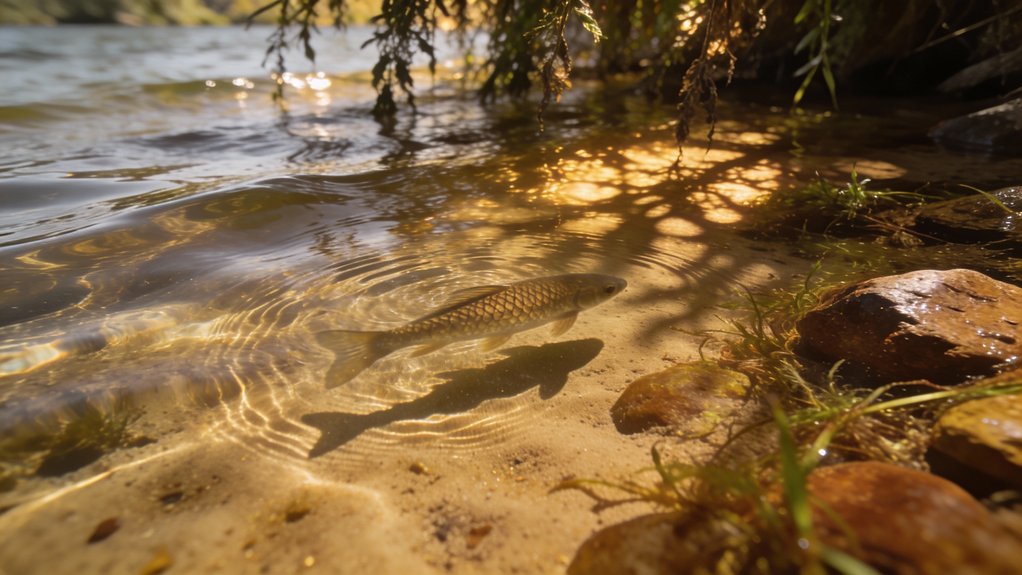
Navigate seasonal water changes to find hidden fish—but most anglers miss the critical factor that determines success. Read More …
A camping trip is one of the easiest places to catch a first fish. The water is right there, the pace is already slow, and nobody is watching to see if you do it perfectly. That mix of relaxed time and easy access is exactly what a beginner needs. You can start fishing from a campsite with borrowed or low-cost gear; the first fish needs no big purchase. A rod someone lends you, a few hooks, and a tub of worms from the gas station you passed on the way in will catch fish in most lakes and slow rivers. The expensive tackle is optional and comes much later than the store wants you to believe. This guide covers the simple version: what to pack, where to cast from a campsite, the one rig that is hard to get wrong, and the rules that keep the day legal and safe. Pack light, but pack the essentials A campsite fishing kit is short. Bringing less means you actually use what you carry, and almost everything fits in a small bag beside your tackle. A rod and reel. A medium spinning combo around six to seven feet covers nearly every situation a beginner meets. A few hooks, split-shot, and a bobber. Size 6 to 8 hooks suit worms and the small fish you are most likely to catch first. Bait. Nightcrawlers are forgiving and work almost everywhere; pick some up near the water. The boring safety items. A small first-aid kit, sunscreen, and rain gear belong with the rod, not as an afterthought. That is the whole list for a first fish. A tackle box of lures can wait until you know you enjoy this. Fish the edges near camp Most beginners blank because they fish water that holds no fish, not because of their gear. From a campsite you do not need to wander far to find better odds. Fish gather where the water gives them food and cover. Cast toward fallen trees, weed edges, rocks, and the spots where a stream feeds into the lake. A dock or a quiet point near your site often holds more fish than open, featureless water. Knowing how to read the water and find where fish hold turns a random cast into a chosen one. The campsite itself decides a lot. Whether you start from a bank, a borrowed dock, or a small rented boat changes the easy approach, and it helps to think through where beginners should actually start fishing before you settle in for the evening. Use one simple rig and keep still Simple, well-tied rigs out-fish complicated ones you do not trust yet. A hook, a split-shot or two, and a bobber set a couple of feet above the hook will catch panfish, small bass, and other common campsite fish. Once the bait is in the water, the hardest part is doing less. Fish are spooked by movement and shadow, so avoid pacing the bank or jigging the line out of boredom. Let the bait sit, watch the bobber, and give a fish time to find it. Catching a fish often takes hours, and going home empty-handed is a normal part of learning, not a sign you did it wrong. Read the water in front of you The water tells you where to move next if you watch it. While you wait, look for the small signs that fish are active nearby. Surface splashes. Sudden swirls or rings usually mean fish feeding near the top. Diving birds. Birds working one patch of water are feeding on the same baitfish the bigger fish want. Shade and current seams. On a hot afternoon fish slide into shade and into the moving water where food drifts past. If one spot stays dead for an hour, move a short distance along the bank toward those signs rather than waiting it out. Check the rules before you cast Fishing licenses and local rules vary by state, so check your state agency before you go. A campground near good water does not mean fishing there is automatically allowed or free. Most states require a license for adults, sell short-term and one-day permits online, and set limits on how many fish of each species you can keep. Some waters inside or near parks have their own rules on bait, boats, or catch-and-release. A few minutes on your state fish and wildlife website before the trip avoids a fine and tells you what is actually swimming where you are headed. Keep only what you will eat. Taking home more fish than your group can use strains the water for the next camper and, in many places, breaks the limit you just looked up. Keep it relaxed A first fishing trip while camping works best when the goal is a calm afternoon outdoors, not a full cooler. Sit comfortably, watch the bobber, and treat each fish as a bonus on top of the time by the water. That patient, low-pressure approach is also the one that catches the most fish over a weekend.