
Most beginners ask what rod to buy. The better first question is where to stand.
Where you fish decides more than your tackle does. It sets what you spend, how much room you have for mistakes, and which fish are even reachable.
A beginner has three ways in: the bank, a public pier, and a boat. Each asks for a different setup, costs a different amount, and forgives a different number of mistakes. Here is the honest comparison, then a clear answer.
Bank Fishing: The Cheapest Way to Stand on Fish
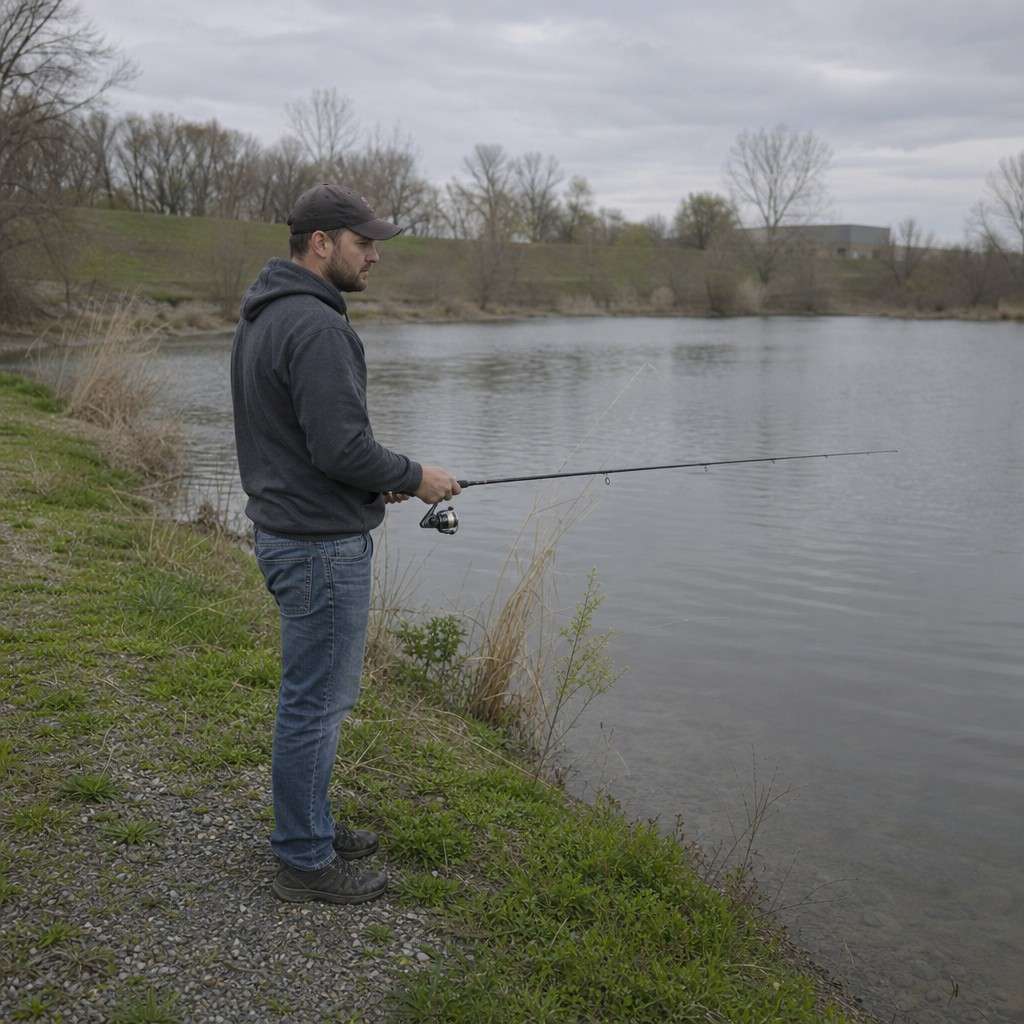
Bank fishing means casting from the shore of a pond, lake, river, or canal. No platform, no vessel, just you and the water’s edge. It asks for the least gear of the three.
What it costs. Almost nothing beyond a rod, a few hooks, and bait. A borrowed combo and a tub of worms is a complete kit, which is why it anchors nearly every plan in our start-here guide to a first catch.
How forgiving it is. Very. Move ten feet, snag a bush, lose a rig, reset, all at no cost. A bad cast lands in the water, not in someone’s ear.
What fish it puts you on. Whatever lives near shore. Bluegill, perch, small bass, catfish, and carp hold close to the bank around cover, easy to reach without an open-water cast.
The catch: you only reach what is within a cast of the edge. Fish in deeper water are off-limits, and a featureless shoreline can leave you working dead water. Reading the shore is the real skill here, and the bank fishing starter guide covers spot selection in detail.
Public Pier: Structure, Stability, and Often No License
A public fishing pier is a built platform reaching over deeper water than you could cast to from shore. It is the friendliest stepping stone between the bank and a boat.
What it costs. The same modest rod-and-bait kit as the bank. No vessel, no launch fee, no extra gear.
A pier gives you a boat’s reach into deeper water without the boat, the trailer, or the launch ramp.
How forgiving it is. Forgiving where it counts. The platform is flat and stable, so footing is no worry, and the structure concentrates fish in the deeper water beneath you without much skill at reading the water.
On a public pier, look behind you before every cast and keep your rig short so you are not swinging weight past other people. Crowded piers reward a tidy setup.
What fish it puts you on. More variety than the bank, often bigger. Ocean and bay piers reach saltwater species a shore angler cannot touch, and even freshwater piers and jetties sit over deeper structure that larger fish prefer.
The catch: you fish where the pier reaches, not where you choose, and the good spots get busy. Timing your trip away from the weekend crowd helps.
One bonus is worth knowing before you pay. Some states waive the fishing license on certain public piers. According to California’s Department of Fish and Wildlife, no sport fishing license is required to fish from a public pier in ocean waters there. Rules differ by state, so confirm yours, but it can make a pier the cheapest legal way to try the sport. See this guide to pier fishing in California for one region’s scene.
Boat: The Most Reach, the Most to Manage
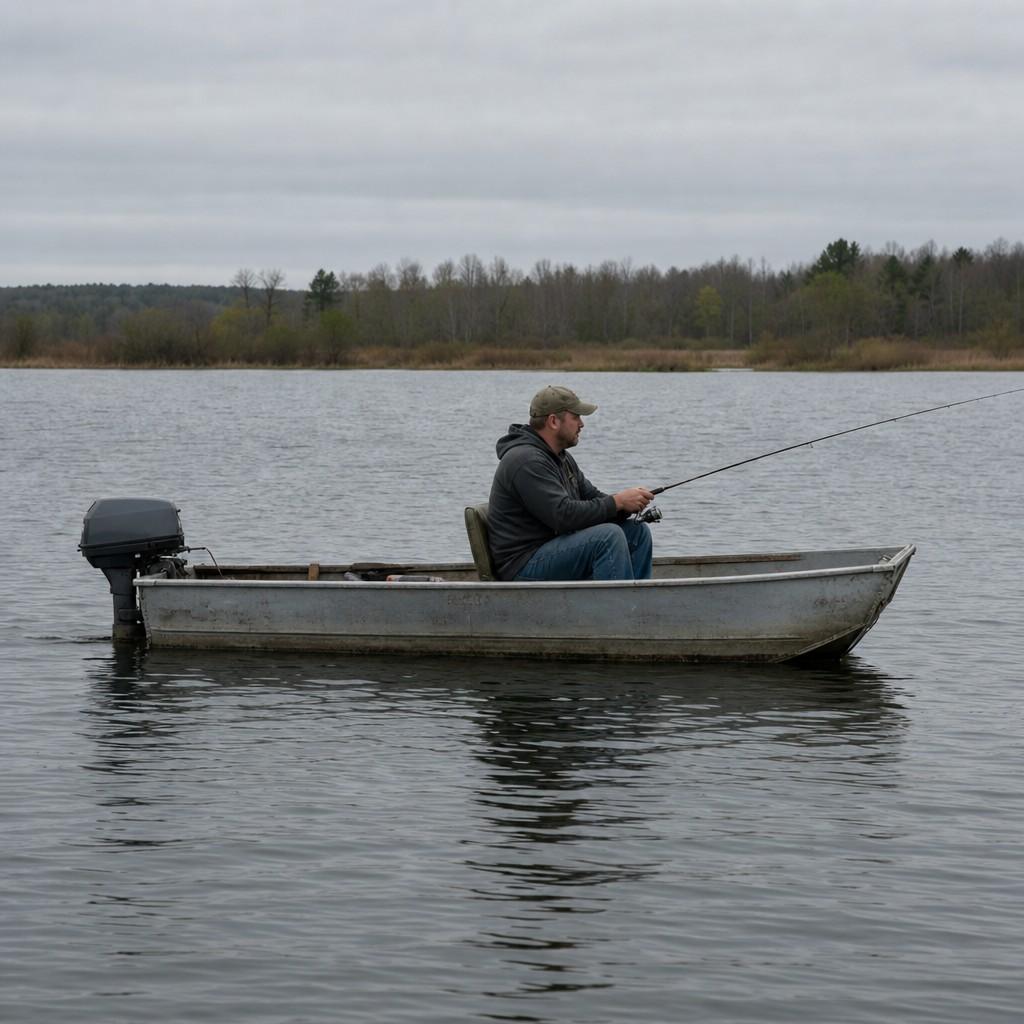
A boat removes the wall that limits the bank and the pier. You go to the fish instead of waiting for them to come within a cast. That freedom is real, and so is everything that comes with it.
What it costs. By far the most. Even a modest used boat means a hull, a motor, a trailer, registration, insurance, fuel, and maintenance before a single fish. Renting or going as a guest sidesteps the purchase, and that is the smart first taste.
How forgiving it is. The least of the three. You manage the vessel, the weather, the launch, and your safety, all while learning to fish. A tangle is a minor annoyance on the bank and a real problem when you are also keeping a boat off the rocks.
Safety is non-negotiable. A life jacket per person and a check of the forecast come before tackle on any boat trip, and many states require a boating safety course for newer operators.
What fish it puts you on. Everything the other two reach, plus the open-water and deep-structure fish they cannot, like suspended schools and offshore species.
The catch: a boat multiplies what you must do right at the moment you are still learning the basics. Every skill the bank lets you practice alone, a boat asks for at once.
So Where Should a Beginner Start?
Start from the bank or a public pier. Almost always.
The bank and the pier let you learn the craft without also learning to run a boat. Casting, reading water, tying a knot, setting a hook, and handling a fish are plenty for one season, and both modes are cheap enough to fail on freely.
The simple way to choose between the two:
- Pick the bank for the lowest cost and a quiet pond near home full of forgiving panfish.
- Pick a pier for deeper water, more variety, a stable platform, and possibly no license to buy.
A boat is not a mistake to avoid forever. It is a tool you grow into once the fundamentals are second nature, and the fastest way to be ready is a season from shore first.
You can start sport fishing with borrowed or low-cost gear. A pond, a pier, a simple rig, and a worm is the whole plan. Where you stand matters more than what you spend.